Calming Halloween Activities for Hyperactive Kids
 Tamara Mamedova
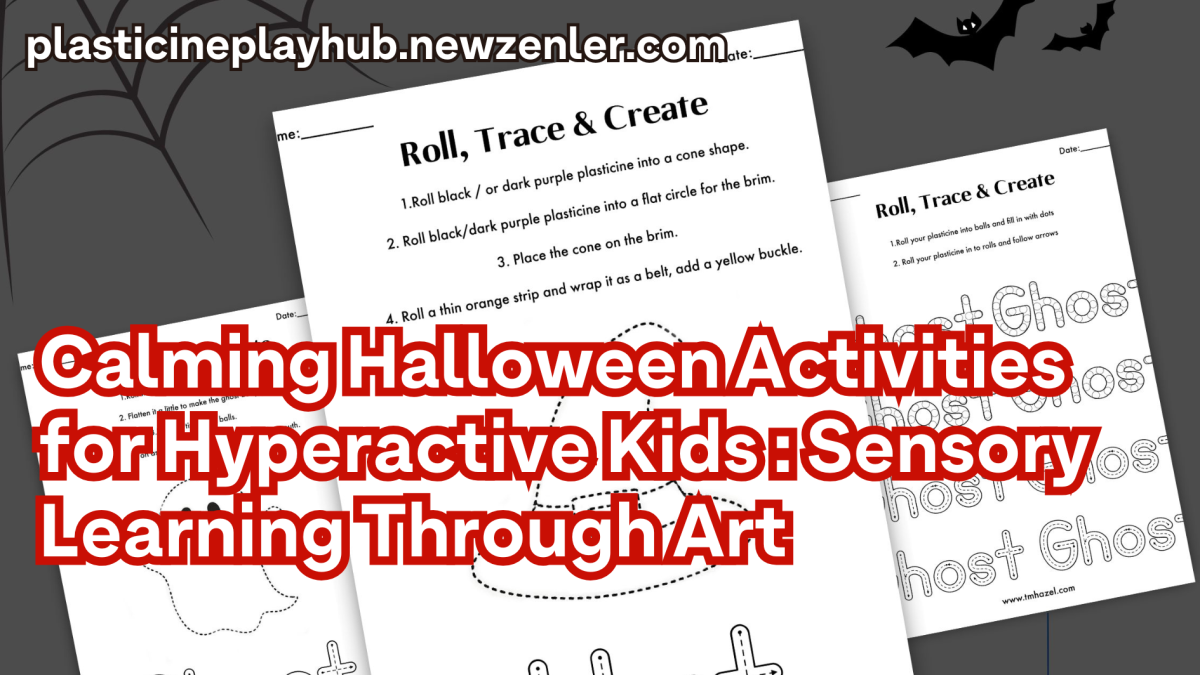
Help your child slow down and focus with calming, hands-on Halloween art. Perfect for sensory seekers or children who find traditional worksheets hard
Calming Halloween Activities for Hyperactive Kids
Halloween is an exciting time, filled with costumes, candy, decorations, and celebrations. While many children thrive on this festive energy, others—especially those who are highly sensitive, hyperactive, or easily overstimulated—may feel overwhelmed. For parents, this can be a challenge: how do you let kids enjoy Halloween without creating chaos or stress?
One solution is to provide calming, hands-on Halloween activities that channel energy, engage the senses, and support skill development. In this post, we’ll explore how structured, tactile Halloween art can help children regulate emotions, build fine motor skills, improve focus, and enjoy the holiday in a meaningful way.
Why Some Kids Get Hyperactive
Hyperactivity occurs when a child’s senses or emotions are overloaded, often causing:
- Restlessness or hyperactivity
- Frustration or irritability
- Difficulty focusing or completing tasks
- Sensory sensitivities (e.g., to sounds, lights, or textures)
During Halloween, all the sights, sounds, and activities can heighten sensory overload, making it difficult for some children to enjoy the festivities. For these kids, calming, structured activities offer a way to participate without feeling overwhelmed.
Benefits of Calming Halloween Activities
Calming, hands-on activities provide multi-layered benefits:
1. Reduce Stress and Anxiety
Tactile, focused activities give children a sense of control and predictable structure, which can reduce feelings of stress. Rolling, pressing, or shaping materials encourages mindful engagement, helping children self-regulate.
2. Develop Fine Motor Skills
Hands-on tasks, such as shaping plasticine pumpkins or tracing letters, strengthen small muscles in the hands and fingers. This supports:
- Pencil grip and pre-writing skills
- Scissor use and cutting tasks
- Everyday dexterity, like buttoning clothes
These exercises are productive and purposeful, turning calming activities into skill-building opportunities.
3. Encourage Focus and Attention
Structured Halloween activities require concentration, helping children practice:
- Following step-by-step instructions
- Completing multi-step art tasks
- Maintaining attention during short, enjoyable sessions
This is especially helpful for children with hyperactivity or short attention spans, as the playful, tactile nature of the activity keeps them engaged without overwhelming them.
4. Support Cognitive and Sensory Development
Calming activities often combine visual, tactile, and kinesthetic elements, which enhance:
- Hand-brain coordination
- Sequencing and problem-solving skills
- Sensory integration, helping children feel more balanced and calm
Tactile tasks, such as shaping ghosts or bats in plasticine, allow children to explore textures, patterns, and spatial arrangements, engaging both creativity and critical thinking.
5. Foster Creativity and Self-Expression
Even calming activities can be imaginative. Children can:
- Decorate pumpkins, ghosts, or haunted houses with different colors and textures
- Create unique scenes that reflect their ideas
- Express emotions through art, which helps regulate feelings
Creativity becomes a tool for self-expression and emotional growth, not just a fun pastime.
Examples of Calming Halloween Activities
Here are practical, hands-on activities that combine calming, skill-building, and seasonal fun:
1. Pumpkin Rolling and Shaping
- Roll plasticine into small pumpkins and create stems and faces.
- Focus on pressing, pinching, and shaping, building hand strength.
- This repetitive, tactile motion has a soothing, calming effect on children.
2. Ghost Tracing
- Use worksheets with ghost outlines for children to trace with plasticine or textured crayons.
- Supports pre-writing skills, hand-eye coordination, and focus.
- Encourages mindful engagement as children concentrate on forming shapes.
3. Bat Counting and Placement
- Provide cut-out bat shapes or worksheets with bat patterns.
- Children can place or stick bats on a scene, practicing sequencing, spatial awareness, and attention.
- The structured activity helps children channel energy productively.
4. Halloween Sensory Collage
- Use textured materials like felt, foam, or soft clay to decorate a Halloween scene.
- Children explore textures, colors, and patterns, promoting sensory integration and creativity.
- This activity encourages calm, focused, independent play.
Why Tactile Activities Work for Overstimulated Kids
Tactile activities are naturally self-regulating. They help children:
- Focus on a single task, reducing sensory overload from lights, sounds, or costumes
- Engage multiple senses, which can calm hyperactivity and improve attention
- Develop independence, as children make decisions about color, shape, and placement
- Experience achievement and pride, boosting confidence and self-esteem
By integrating seasonal themes like Halloween, the activities feel fun and festive, rather than purely therapeutic or “work-oriented.”
How to Set Up a Calming Halloween Activity
- Choose a Quiet, Comfortable Space – Minimize distractions and provide a clean, well-lit area.
- Prepare Materials in Advance – Worksheets, plasticine, textured tools, and markers ready to go.
- Use Short, Structured Sessions – 5–15 minutes is ideal for maintaining attention without overstimulation.
- Model and Demonstrate – Show one or two examples, then let children take the lead.
- Encourage Mindful Focus – Use phrases like “Take your time” or “Notice the shapes you’re creating.”
- Celebrate Efforts, Not Perfection – Emphasize creativity and problem-solving over exact results.
Seasonal Themes That Calm and Engage
Halloween imagery is inherently captivating, but choosing calm, approachable themes is key:
- Friendly pumpkins and ghosts rather than scary characters
- Bat silhouettes or moon scenes to encourage calm observation
- Candy corn patterns or simple decorations for structured, repetitive tasks
Using soft colors and textures also promotes relaxation while keeping children engaged in creative play.
Long-Term Benefits
Calming Halloween activities do more than occupy children—they teach lifelong skills:
- Fine motor strength – Supports writing, cutting, and daily self-care tasks
- Focus and patience – Helps children complete tasks calmly and confidently
- Creativity and problem-solving – Encourages independent thinking
- Emotional regulation – Provides coping strategies for overstimulation
Parents will notice that these structured, hands-on experiences lead to more relaxed, confident, and engaged children, even after the activity ends.
Conclusion: Calm, Creative Halloween Fun
Halloween doesn’t have to be overwhelming for sensitive or hyperactive children. By incorporating calming, tactile activities, parents can help children enjoy the season while developing essential skills.
From rolling pumpkins to tracing ghosts, these hands-on tasks promote fine motor development, cognitive growth, focus, and emotional regulation. Children gain confidence, independence, and creativity—all while participating in a fun, festive holiday tradition.
With a little planning and preparation, Halloween can be both magical and educational, providing children with screen-free, meaningful, and calming activities that support growth, learning, and joyful self-expression.
Categories: : calming activities for kids, fine motor development, halloween activities for kids, pencil grip, sensory activities for kids