Hands-On Halloween Art Activities for Kids: Boost Focus, Creativity, and Fine Motor Skills!
 Tamara Mamedova
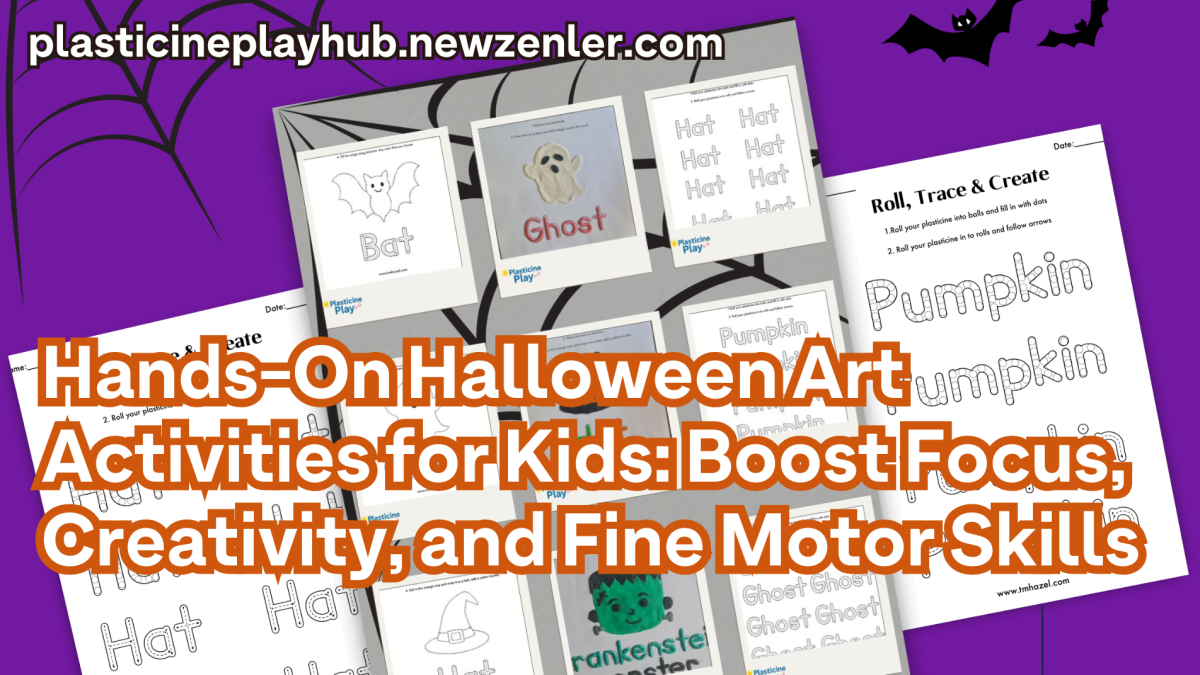
Hands-on Halloween fun! These sensory tracing worksheets help kids develop fine motor skills, focus, and calm while creating beautiful seasonal art.
Halloween is one of the most exciting times of the year for children — costumes, pumpkins, spooky decorations — and it’s also a fantastic opportunity to engage kids in meaningful, screen-active activities. Hands-on art, like tracing and coloring with plasticine, is more than just fun: it’s a powerful tool for skill development, helping children grow focus, hand strength, creativity, and cognitive abilities while celebrating the season.
Why Hands-On Creative Activities Work
Children learn best when they can touch, move, and explore. Hands-on activities, such as tracing, coloring, and shaping with plasticine, stimulate multiple senses at once. This multisensory engagement makes learning more effective because it:
- Builds fine motor skills – Rolling, pressing, and shaping materials strengthens the small muscles in the hands and fingers, essential for pencil grip and writing readiness.
- Supports cognitive development – Hands-on tasks help kids process information, solve problems, and understand cause-and-effect relationships.
- Boosts creativity – Children learn to experiment, improvise, and express themselves visually, which enhances imagination and creative thinking.
- Improves focus and attention – The tactile, engaging nature of these activities helps children, including those with hyperactivity or attention difficulties, concentrate for longer periods.
- Supports speech and language skills – Explaining their artwork or telling stories about their creations strengthens vocabulary, sentence structure, and verbal reasoning.
Benefits of Creative, Hands-On Learning
Creative activities go far beyond “fun.” They lay the foundation for lifelong learning. Here’s why:
- Hand Strength and Pre-Writing Skills
Engaging with plasticine or similar materials builds strong hands, improving pencil control, handwriting, and overall dexterity. These small motor skills are critical for school readiness. - Focus, Patience, and Problem-Solving
Creating art requires children to follow patterns, plan their work, and persist when challenges arise. This encourages patience and develops executive functioning skills. - Cognitive and Brain Development
Multisensory activities connect hand movements with brain processing. Children strengthen neural pathways that support reading, math, and speech development. - Emotional Regulation
Hands-on creative tasks have a calming effect, helping overstimulated or anxious children regain focus and self-control. - Confidence and Self-Esteem
Completing a creative project gives children a sense of accomplishment, reinforcing self-confidence and pride in their abilities.
Halloween as a Learning Opportunity
Seasonal themes make learning even more engaging. Halloween activities — tracing pumpkins, coloring ghosts, shaping bats — capture children’s attention and make skill-building feel like play rather than work. Parents often notice:
- Kids stay engaged longer because the activity is thematically fun and relevant.
- Creative learning activities naturally encourage repetition and practice, which strengthens skill development.
- Children associate learning with joy and accomplishment, which builds positive attitudes toward future educational tasks.
Tips for Parents
- Keep sessions short and focused: Even 5–10 minutes of hands-on activity can strengthen fine motor skills and focus.
- Praise effort over perfection: Encourage experimentation and creativity rather than insisting on a perfect outcome.
- Talk about the process: Asking your child to describe their creation improves language and storytelling skills.
- Incorporate sensory variation: Using different textures, shapes, or colors increases engagement and brain stimulation.
Conclusion
Hands-on creative activities, especially with seasonal themes like Halloween, are much more than just a fun craft. They help children develop fine motor skills, focus, cognitive abilities, speech, and creativity in a way that is engaging, playful, and meaningful. By integrating tactile learning into your child’s playtime, you can make skill-building feel like an adventure — and celebrate the season at the same time.
Categories: : fine motor development, halloween activities for kids, hand strenght, handwriting skills, sensory activities for kids, tactile development